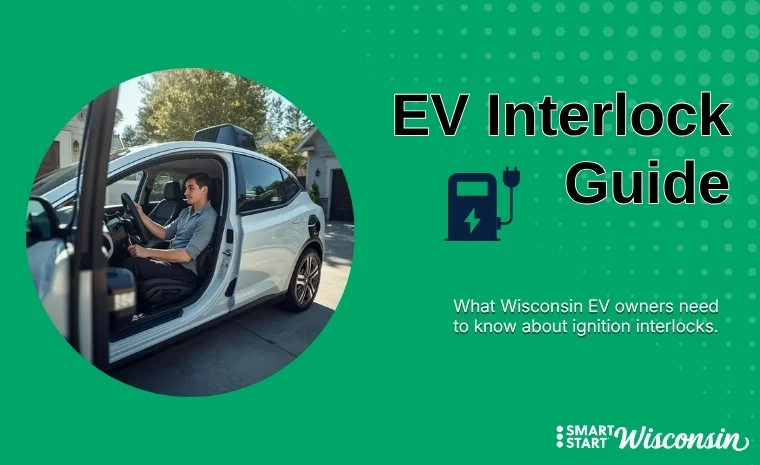
If you drive an electric vehicle in Wisconsin and face a court-ordered ignition interlock mandate, you might wonder how an IID integrates with EV technology. The transition from gas to electric brings unique questions about installation and compliance.
The good news? An ignition interlock device works seamlessly with most electric and hybrid vehicles, including Smart Start Wisconsin’s. Here is what EV owners need to know before scheduling an install.
How an Ignition Interlock Works With an EV
A traditional ignition interlock device connects to your vehicle’s electrical and starting system. Most EVs and hybrids can accommodate one, but the wiring is not identical to a gas-powered car. Electric vehicles utilize high-voltage drive batteries alongside auxiliary low-voltage systems, meaning their electrical architecture differs from standard gas engines.
This is why the make, model, and year of your EV matter when you schedule installation. A qualified technician will confirm your vehicle’s setup ahead of time, so the visit goes smoothly. Smart Start installs ignition interlock devices in electric and hybrid vehicles, including Tesla models. Our devices meet Wisconsin DOT requirements no matter what you drive.
Remote Start, Pre-Conditioning, and Wisconsin Winters
Many EV owners use an app to precondition the cabin or battery before a cold Wisconsin morning. This usually happens while the vehicle is parked and plugged in. It is not the same as driving off after a breath test.
Remote start features that allow a vehicle to be driven without an immediate breath sample must be disabled or reconfigured during installation to maintain Wisconsin DOT compliance. This happens during your installation appointment. Your technician will walk you through exactly how this applies to your specific EV or hybrid model.
Will an Interlock Drain My EV’s Battery?
This is a common question, and a fair one. An ignition interlock device uses a small amount of power and should not meaningfully affect your EV’s range. It is still good practice to keep your EV charged regularly. That matters most during Wisconsin’s colder months, when cold weather already reduces range on its own.
The breath test itself does not change with an EV. Smart Start’s device does not require a warm-up wait or a complicated breath pattern. One steady breath sample is all it takes, whether you are driving a gas truck or a new electric SUV.
Getting Started With an EV Ignition Interlock in Wisconsin
Driving an electric vehicle does not change your legal requirement to install an ignition interlock device Wisconsin courts have ordered. It does mean a slightly more detailed conversation when you schedule your appointment. Smart Start Wisconsin’s team can walk you through what to expect for your specific make and model.
This seamless process extends to the legal side, too. For attorneys, an EV in a client’s driveway does not need to complicate their compliance timeline. Our technicians assess electric and hybrid vehicles the same way we assess any other install: thoroughly, before the appointment. That means fewer surprises for your client, and fewer calls to your office.
Have questions about installing an ignition interlock device in your EV or hybrid? Check our Support page for answers, or learn more about Wisconsin’s requirements through the Wisconsin DOT ignition interlock program.